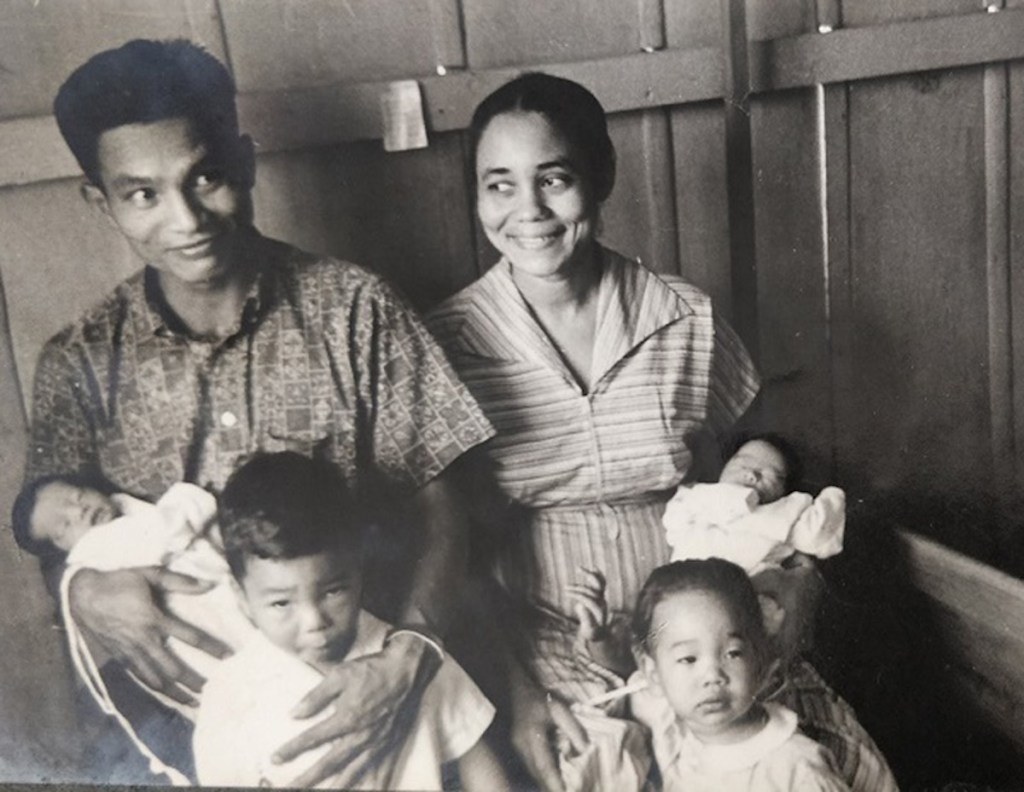
Early Life and Foundations of Faith
Josephine Makil was born in 1932 in Colorado. She studied at Otero Community College, An early interest in missions led her to study at Moody Bible College. She practiced Inter-Varsity Christian Fellowship at Moody and met her husband, Gaspar Taqueban Makil (from the Philippines). Josephine and Gaspar married in June 1959.
Pioneering with Wycliffe Bible Translators
They were assigned as Wycliffe Bible Translators. Josephine became the first African American to join Wycliffe Bible Translators. Josephine and Gaspar had four children; Thomas, Carol, and twin girls, Janie Alberta & Jessie Monica. In 1962 they began working with the Roglai people in South Vietnam.
Tragedy in South Vietnam
In 1963, during the Vietnam War – at a road stop by the Viet Cong, shots were fired, killing both Gaspar and their baby daughter, Janie Alberta. Josephine stayed devoted to the mission field, even after this terrible tragedy.
Ministry in the Philippines
Josephine and the three remaining children moved to Nasuli, Bukidnon, Philippines. In the Philippines, she continued Bible translation projects. The work was multifacted:
- Translation: Continuing vital Bible translation projects.
- Education: Establishing a preschool specifically for the children of missionaries.
- Healthcare: Conducting medical outreach within remote Philippine tribal communities.
Return to the United States and Final Years
In 1972, Josephine returned to the USA on furlough. She continued serving as an ESL teacher to the many Southeast Asians in Denver. In 1976, she returned to Dallas, Texas. She served as the Director of Early Childhood Program and at Wycliffe’s Dallas training school.
Josephine passed away on April 25, 2003.
CITATIONS
Wycliffe Global Alliance: The Legacy of Josephine Makil – Historical Profiles.
Moody Bible Institute: Alumni Impact Records.
Historical Archive: Martyrs of the Vietnam Mission Field – OMF International (contextual history).
Biographical Reference: African American Women in World Mission – Educational Documentary Resources.
 Loving Christ - Living Christ