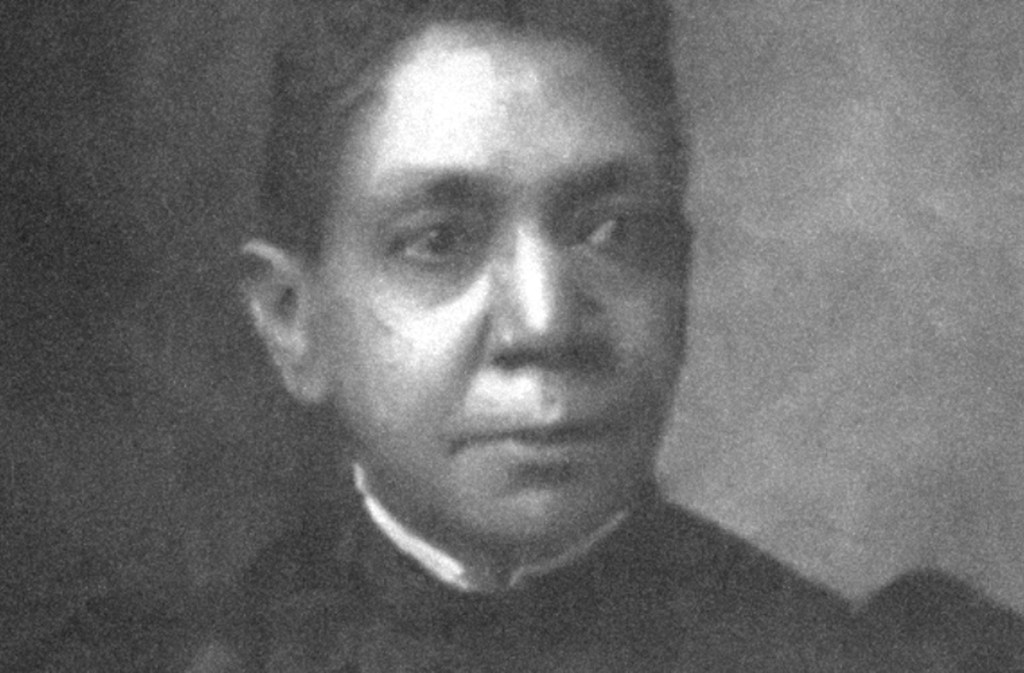
From Servitude to Scholastic Excellence
Fanny Jackson Coppin was born into slavery – 1837. In 1849, her aunt bought her freedom. Fanny served as a house servant until 1860. During this time she saved her fees and hired tutors to help her learn to read & write. In 1860, she enrolled in Oberlin College in Ohio, the first US college to accept black and female students. While a student, she taught an evening course for free African Americans in reading and writing. She graduated with a Bachelor’s degree in 1865.
A Pioneer in Industrial Education
Fanny moved to Philadelphia after graduation to teach at the Institute for Colored Youth (now Cheyney University of Pennsylvania). Within four years, she was appointed to principal, making her the first African American woman to lead a secondary school. She changed the curriculum. She established an Industrial Department. She said that practical training was critical to the Black community’s economic independence.
Marriage and the Mission to South Africa
In 1881 Fanny married Rev. Levi Jenkins Coppin, pastor of the Bethel AME Church in Baltimore. Pastor Coppin was elected an AME bishop in 1900, and he was assigned to Cape Town, South Africa. The couple went to South Africa in 1902 and were known for much missionary work. They founded the Bethel Institute, a missionary school with self-help programs.
Final Years and Lasting Legacy
In 1912, Fanny’s health forced her to return to Philadelphia, and she died on January 21, 1913.
The Fanny Jackson Coppin Normal School in Baltimore was named after her in 1926. This was to recognize her many contributions to education. Today, it is known as Coppin State University.
CITATIONS
“Fanny Jackson Coppin (1837-1913),” BlackPast.org.
“Fanny Jackson Coppin: 1865 and her Unwavering Commitment to Education,” Oberlin College & Conservatory.
“The History of Coppin State University,” Coppin State University Official Site.
“Fanny Jackson Coppin, Educator and Missionary,” National Museum of African American History and Culture.
“Biographical Sketch of Fanny Jackson Coppin,” Alexander Street / Black Women’s Suffrage.
 Loving Christ - Living Christ