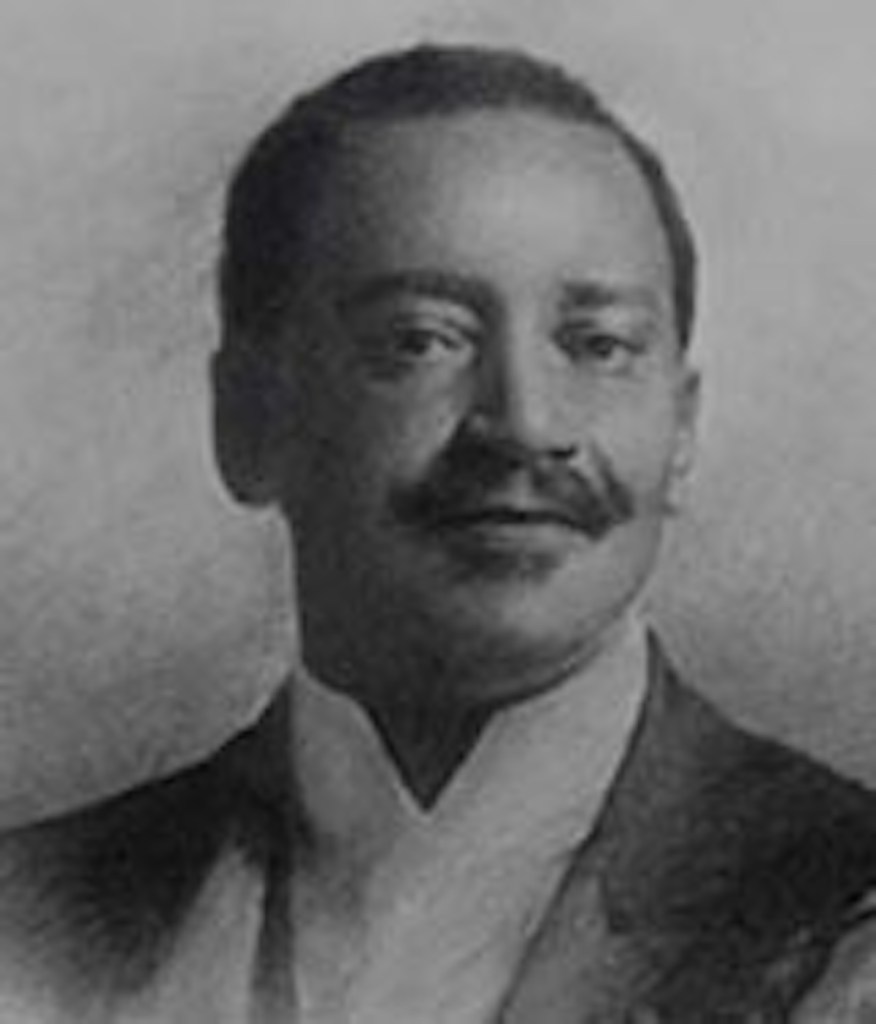
Early Life and Academic Foundations
William Henry Sheppard was born in Virginia; 1865. In 1880, at the age of 15, he enrolled at the Hampton Institute – Virginia; graduated in 1883. After Hampton Institute Sheppard attended the Tuscaloosa Theological Institute, now Stillman College. He completed his studies at Tuscaloosa Theological Institute in 1886, and was ordained as a Presbyterian minister two years later.
The Call to African Missions
Sheppard assumed the pastorate at Zion Presbyterian Church in Atlanta. However, he immediately found himself restless. He made several applications to be sent to Africa as a missionary. In 1890, Sheppard finally had the opportunity to go to Africa. Another minister of the Presbyterian Church volunteered to go to Congo and wanted to take Sheppard as his partner. In 1894 he married Lucy Gantt, she gave birth to four children; two of whom died in Africa.
The Mundele Ndom and Cultural Connection
He was in Congo for 20 years.
Much of Sheppard’s story is based upon his sincere love of African Art and his collection of such items. His work among the Congolese was effective. He viewed the people differently than white missionaries who had served in the same places. The Congolese people grew to love Sheppard. They gave him the name ‘mundele ndom‘. This name has been translated as ‘black white man‘. His missionary passion was often labeled as social work – distinct care for the wellness and education of nationals. While in Africa, two of his children died.
Human Rights Advocacy and Resistance
Sheppard exposed the loot taken by Belgian King Leopold II from Congo. In 1904, he returned home on furlough. He spoke out against the savagery taking place in the Congo. President Theodore Roosevelt received Sheppard at the White House on January 14, 1905, to hear the case against Leopold.
Return and Legacy in Louisville
Sheppard finished his work in Congo in 1910 and returned to the USA. He settled in Louisville, Kentucky. He served as pastor of Grace Presbyterian Church. One of his most known ministries while pastor of this church was the development of a settlement house. This settlement house served Louisville’s black population. He died on November 27, 1927.
His legacy is honored by the Sheppard Library at Stillman College. It was dedicated in 1959. His massive collection of Kuba art is housed at Hampton University Museum.
CITATIONS
Presbyterian Pioneers in Congo (1917), Presbyterian Committee of Publication.
African Handicrafts and Superstitions (1921), Log College Press.
“Atrocities in the Kongo Free State” (1900), Report.
Kennedy, Pagan. Black Livingstone: A True Tale of Adventure in the Nineteenth-Century Congo. Viking (2002).
Phipps, William E. William Sheppard: Congo’s African-American Livingstone. Geneva Press (2002).
“William Henry Sheppard (1865-1927),” Encyclopedia of Alabama (2025).
“Rev. William H. Sheppard,” Kentucky Historical Society (2001).
 Loving Christ - Living Christ